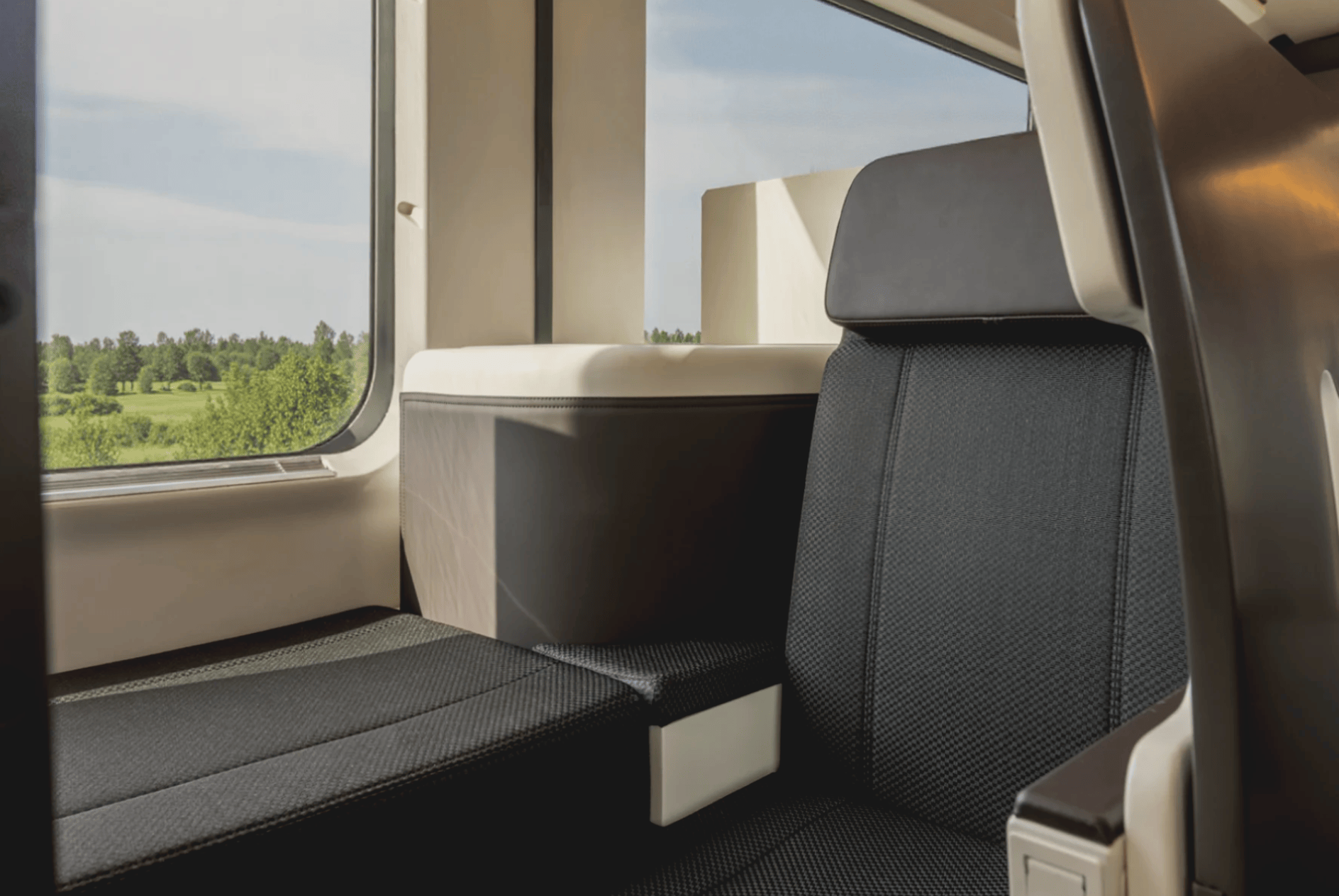
New Business-Class Style Sleeper Train Launching Between Hamburg and Munich in 2027
A new business-class style overnight sleeper train service is launching in Germany, connecting Hamburg and Munich starting March 23, 2027. Developed by the Berlin-based start-up Nox Mobility [reported by Time Out], the service is designed to offer a viable alternative to one of Germany's most frequently flown domestic flight paths, with single tickets starting from €65.
This article was prepared with AI assistance based on reporting by Liv Kelly for Time Out.
Route Details and Schedule
The inaugural journey is slated for March 23, 2027. The service will operate in each direction three times per week, including intermediate stops at Bremen and Augsburg.
- From Munich to Hamburg: Departs Mondays, Wednesdays, and Fridays at 9:20 PM, arriving in Hamburg at 8:27 AM the following morning.
- From Hamburg to Munich: Departs Sundays, Tuesdays, and Thursdays at 9:22 PM, arriving in Munich at 8:14 AM the following morning.
Train Accommodations and Features
The trains feature entirely private compartments called 'Nox Suites,' conceptualized as a workspace by day and a lounge by night. According to details covered by AFAR and referenced by Time Out, the layout mirrors a business-class aeroplane cabin and includes:
- Sliding doors for privacy
- A large seat and a table for working or dining
- Dedicated luggage space and power sockets
- Free travel for children under the age of four when accompanied by an adult passenger
Rather than including a traditional restaurant carriage, the service offers pre-ordered meals served directly to the passenger's cabin, mirroring airline-style catering.
Booking and Future Plans
Single fares start at €65, and tickets are currently available to book through Nox Mobility's official website.
The startup aims to combine the functions of a hotel stay and a short-haul flight to replace the need for both. While the initial launch focuses on the Hamburg–Munich corridor, Nox Mobility states an overarching goal to expand its network to serve 100 European cities by 2035.