Millions of Americans relying on federal benefits and tax services received official government emails highlighting the administration's economic record and agency operational benchmarks in the final days before the US midterm elections. Distributed to public subscription lists and online account holders, the messages praised customer service improvements at the Social Security Administration and promoted tax legislation enacted under President Donald Trump.
The official nature of the distributions, combined with their timing immediately preceding the vote, has drawn intense scrutiny from legal experts and watchdogs evaluating federal communications guidelines. Central to the ongoing debate is the Hatch Act of 1939, a law prohibiting federal employees from using official authority or agency resources to influence an election or engage in political activity while on duty.
Content of the Digital Messages
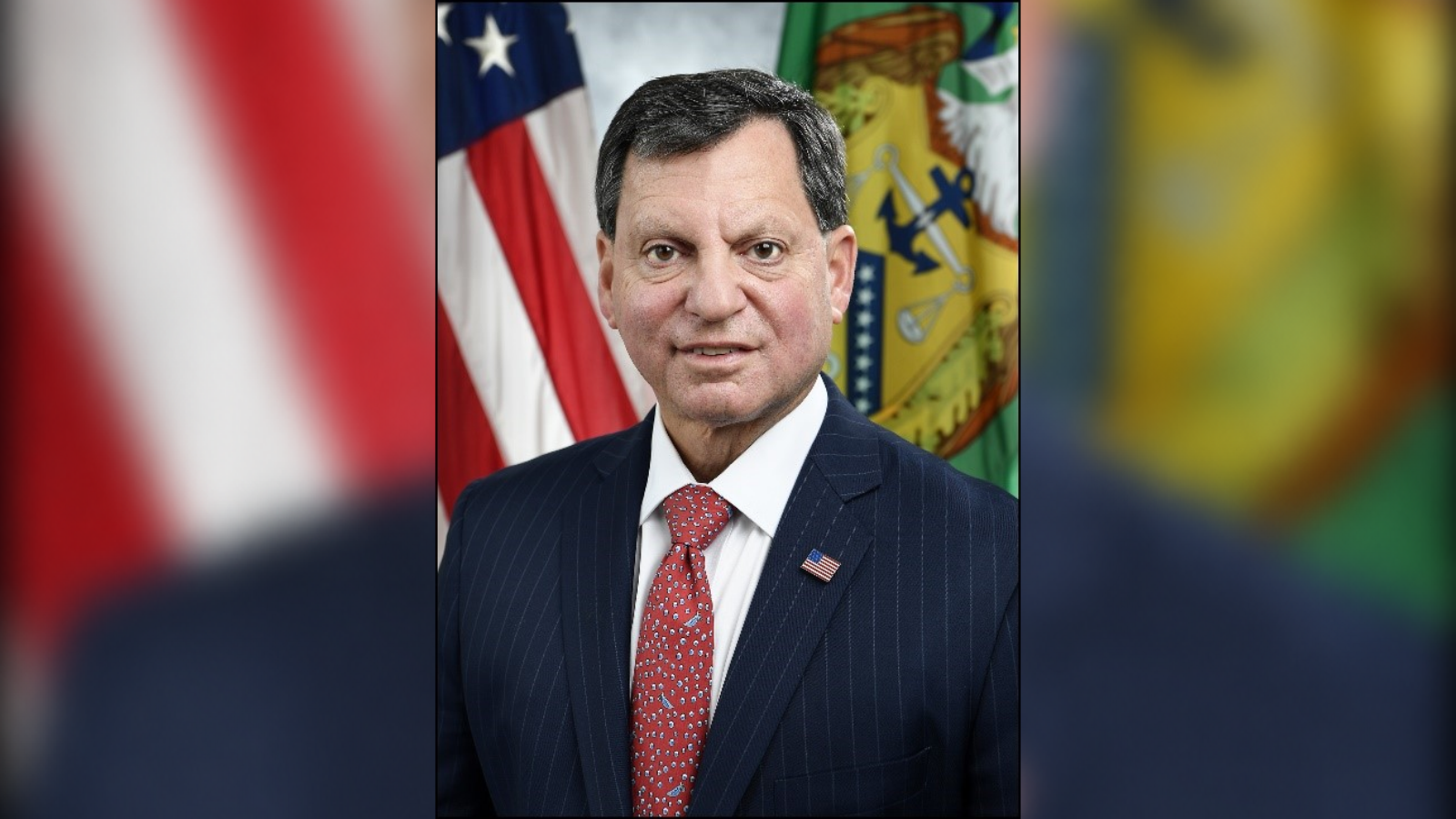
In one message distributed by the Social Security Administration, Commissioner Frank Bisignano praised the agency’s recent performance milestones, stating that under President Donald J. Trump, the agency was transforming into a model of excellence that meets and exceeds customer expectations for fast, accurate, and secure service.
A separate communication sent by the Internal Revenue Service focused on legislative relief, asserting that the Working Families Tax Cuts prevented what it characterized as the largest tax increase in American history. The message informed recipients that hardworking Americans were keeping more of what they earned because of the historic tax cuts. The IRS email included a operational note stating that the message was informational rather than tied to individual tax records, noting the agency does not typically contact taxpayers directly by email.
Public reaction to the emails varied, with many recipients questioning the necessity and timing of government-issued updates so close to an election.
"If the government has to send you emails to tell you you're better off, you're not better off.
If things were improving, you would see them improving."
Others expressed direct concern regarding the use of public funds and agency reach for administrative promotion.
"My tax dollars paying for my own campaign ads from the IRS and SSA 3 days before the midterms. This is textbook Hatch Act violation - these are supposed to be apolitical agencies, not Trump's personal newsletter."
Scrutiny of Federal Communication Boundaries
Legal scholars point out that assessing potential violations of ethics laws depends heavily on context, content, and statutory intent. Washington University in St. Louis law professor Kathleen Clark questioned whether the emails served a legitimate administrative function, describing them as promotional rather than public service notices. However, legal determinations under the Hatch Act require formal review by oversight authorities, and no legal finding of wrongdoing has been established regarding the officials or agencies involved.
This incident follows prior scrutiny of public messaging by benefit agencies. Democratic lawmakers previously sent formal inquiries regarding earlier promotional materials distributed by the Social Security Administration, raising questions about data usage, message content, and whether agency email registries were appropriately managed. Additional watchdog groups, including the Democracy Defenders Fund, have similarly tracked public statements and appearances by political appointees across various departments to evaluate compliance with administrative guidelines.
For citizens who rely on federal administrative channels for monthly benefits and tax reporting, the core issue centers on maintaining a clear distinction between objective public notices and partisan advocacy. As digital communication infrastructure expands across public institutions, oversight bodies continue to evaluate where public information ends and government promotion begins.

