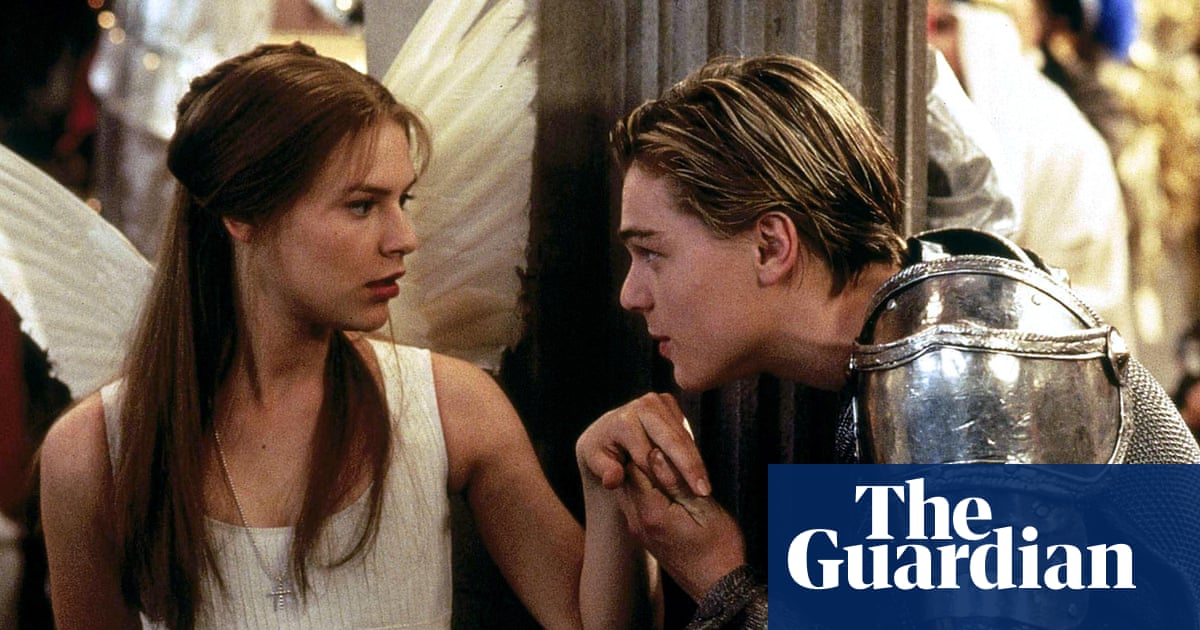
Shakespeare's sixteenth-century tragedy of star-crossed lovers is rarely viewed as an approachable piece of modern entertainment, often serving instead as an austere academic hurdle for high school students. Yet thirty years ago, director Baz Luhrmann shattered traditional expectations with an audacious cinematic reimagining that transformed Verona's ancient family feud into a tropical gang war, introducing an entire generation to Elizabethan verse through high-octane visual style and pop-culture energy.
Released three decades ago, the film made its intentions clear from the opening moments. Swapping medieval pageantry for a sun-scorched, neon-lit urban landscape of coastal motels, muscle cars, and rival syndicates, Luhrmann treated the material with both absolute reverence for the original dialogue and complete disregard for rigid classical staging. The Montagues swaggered in open Hawaiian shirts, while the Capulets emerged as urban cowboys brandishing firearms stamped with explicit religious iconography. This maximalist approach treated every frame like a sensory overload, capturing the raw, unpredictable intensity of youth.
The Power of Pure Emotion
At its core, the production succeeded by leaning entirely into the emotional extremes of adolescence. Rather than approaching the text with academic distance, the film amplified the story's inherent melodrama. The performances of its young leads anchored the frantic pacing, presenting love and grief not as distant literary concepts, but as overwhelming, life-or-death realities. Supporting turns—particularly Harold Perrineau's unforgettable, silver-clad portrayal of Mercutio and John Leguizamo's sharp-tongued Tybalt—injected the tragedy with a theatrical gravity that matched the visual fireworks.
While contemporary purists dismissed the stylistic choices as garish and vulgar, audiences embraced the bold departure. The project grossed over $147 million against a modest budget, propelled significantly by a defining alternative-rock soundtrack featuring tracks by Garbage, Radiohead, and The Cardigans.
A Polarizing Legacy
Reactions to the film's frantic pace and hyper-stylized aesthetic remain deeply divided even decades later. Some viewers found the relentless editing and anachronistic touches exhausting, comparing the viewing experience to watching a rapid-fire music video rather than a theatrical masterwork. Others praised the choice to strip away the museum-like reverence typically associated with the playwright, arguing that the chaotic energy mirrors the bawdiness and accessibility of Elizabethan theater.
Ultimately, the film carved a distinct path for modernizing classic literature, predating a wave of teen-oriented adaptations that followed in subsequent years. Whether viewed as an ingenious gateway to classic drama or an overwhelming exercise in style over substance, the feature remains a singular pop-culture artifact that proved Shakespearean tragedy could speak directly to the restless heart of youth.

