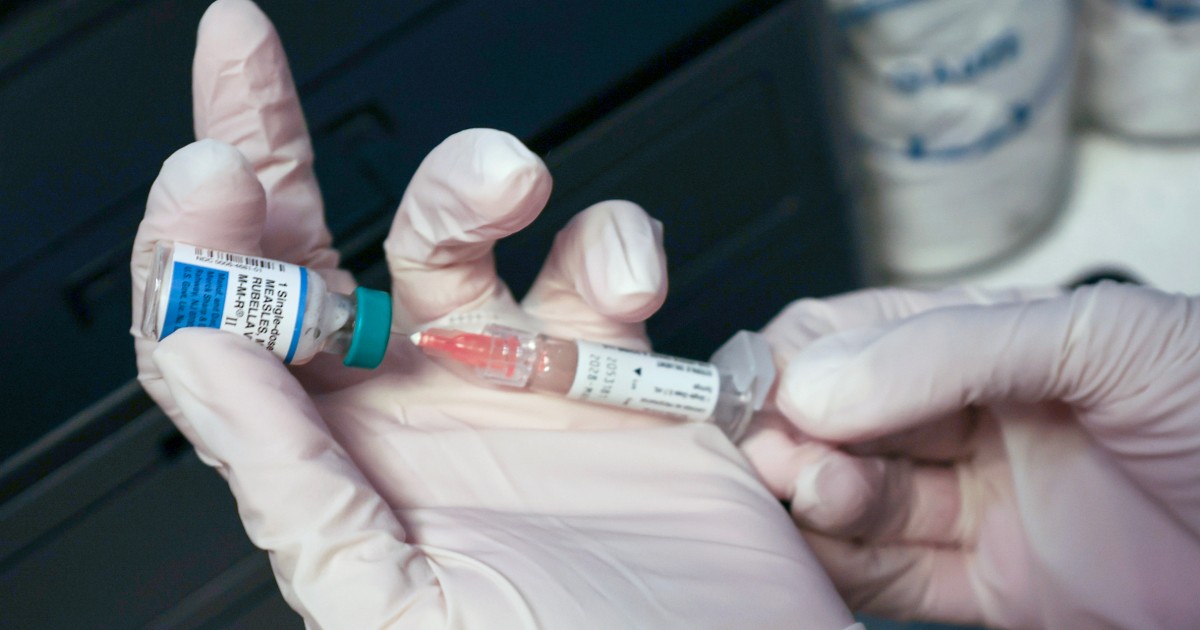
New York health officials reported the state's first measles-associated death in more than 30 years, marking a grim milestone amid a broader resurgence of the highly contagious disease across the region.
The fatality involved a child residing in a rural county in northern New York. State health officials expressed their condolences in a public statement, though they withheld additional personal details regarding the child's identity or medical history.
A Wider Regional Resurgence
State health data indicates that 178 measles cases have been recorded across New York this year, with the vast majority—170 cases—occurring outside of New York City. Fifteen of those cases have been concentrated in Lewis County, where the child lived. In response to the growing infection numbers, Gov. Kathy Hochul declared a state emergency in October.
“Measles is highly contagious, and vaccination remains our best protection against this dangerous disease,” Hochul said in a statement following the announcement of the death.
The situation is even more severe in neighboring Pennsylvania, which is managing what officials describe as the country's worst measles outbreak in three decades. The Pennsylvania Health Department reported 1,433 cases, resulting in 269 hospitalizations and six deaths. Nationally, the Centers for Disease Control and Prevention reported 4,852 measles cases.
Public health discussions surrounding the outbreaks have highlighted public frustration over falling immunization rates and the spread of misinformation. As one observer noted, "It's easy to make jokes, but a young child just lost his or her life because of an entirely preventable illness. Horrible."
Prevention and Vaccination Protocols
Health authorities continue to urge residents to verify that their measles, mumps, and rubella (MMR) vaccinations are up to date. The standard immunization schedule recommends a first dose at around 1 year of age, followed by a second dose around age 5. Together, two doses provide approximately 97 percent protection, which typically lasts for life. During active outbreaks, health guidelines permit infants as young as 6 months old to receive an early dose.
Medical professionals emphasize that maintaining high community immunization levels is critical for protecting vulnerable populations, including infants too young to be fully vaccinated and individuals with compromised immune systems.

